
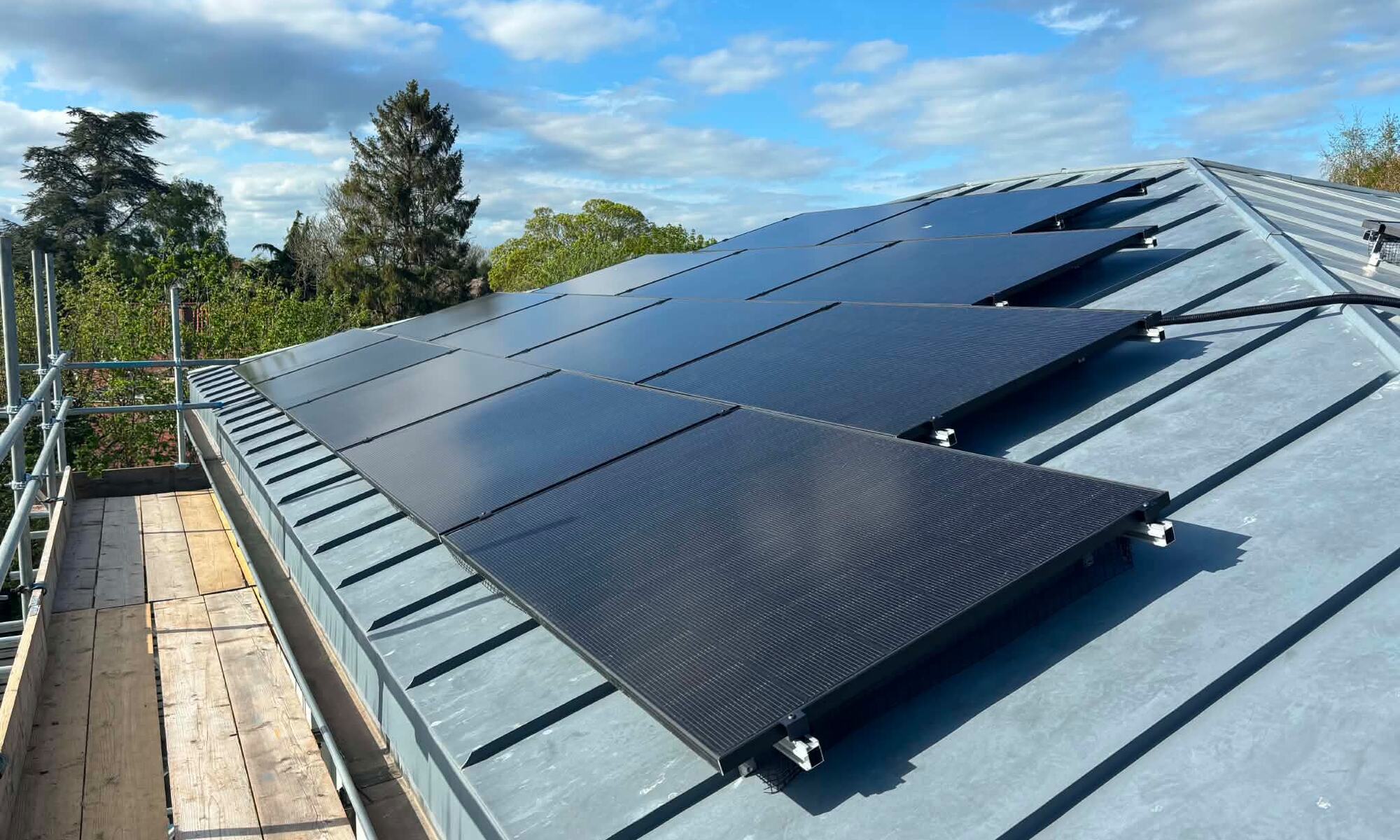
Off-grid solar & storage
For buildings the grid never reached, and for people who'd rather not depend on it. Designed around your actual usage so it still works in February.
Off-grid
Power where there's no supply, or no desire for one
Getting a new grid connection to a remote building can be eye-wateringly expensive, and sometimes it simply isn't practical. A properly designed off-grid solar and battery system is often the cheaper answer, and it's one we install regularly on Fox ESS equipment.
The engineering is genuinely different from a grid-tied installation. There's no grid to fall back on when the battery runs low, so the design has to survive a still, overcast week in midwinter rather than perform well in June. That means sizing generation and storage against your real seasonal usage, and being honest about what the system will and won't run.
Every off-grid system we design starts with a conversation about what you actually need to power and when. Get that right and it's reliable year-round. Get it wrong and you're running a generator in January.
- Barn conversions and agricultural buildings
- Outbuildings, workshops, stables and studios
- Remote and new-build sites with no economic grid connection
- Fox ESS off-grid solar and battery storage systems
- Designed against winter worst-case, not summer best-case
- Backup generator integration where the load profile demands it
- Hybrid setups that stay grid-connected but run independently when needed
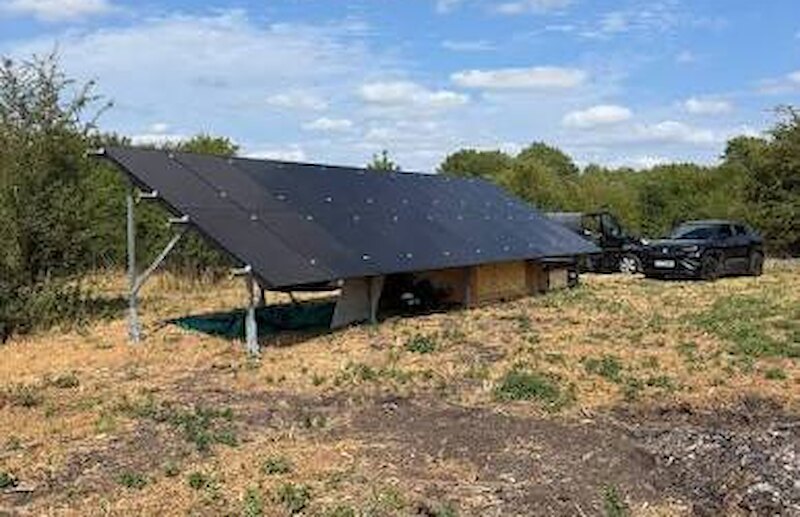
Common questions
Things people usually ask
Is off-grid cheaper than a new grid connection?
Will it work in winter?
Can I run a whole house off-grid?
Do I still need a generator?
Can you convert an existing outbuilding?
Where we work
Royston, and about half an hour around it
Off-grid work takes us to some out of the way places, but it is still local work. We're based in Litlington, just outside Royston, and cover Hertfordshire, Cambridgeshire, Essex and Bedfordshire from there: Royston, Melbourn, Baldock, Letchworth Garden City, Hitchin, Stevenage, Welwyn, Hertford, Saffron Walden, Cambridge, Buntingford, Duxford and the villages in between. Close enough to come back if you ever need us.

Get started
Free, no-obligation survey and quote
Tell us a bit about your property and we'll come and look at it. You'll get a straight answer either way, including if solar isn't the right fit.